Jackson Dean Strips It All Back at Joe’s in Chicago and Delivers Something Rare
Concerts have a way of transforming ordinary spaces into something almost sacred. Whether it’s a packed stadium or an intimate venue, the moment the music begins, the outside world fades. Time bends. Strangers become companions. And for a few hours, everything revolves around sound, rhythm, and shared emotion.
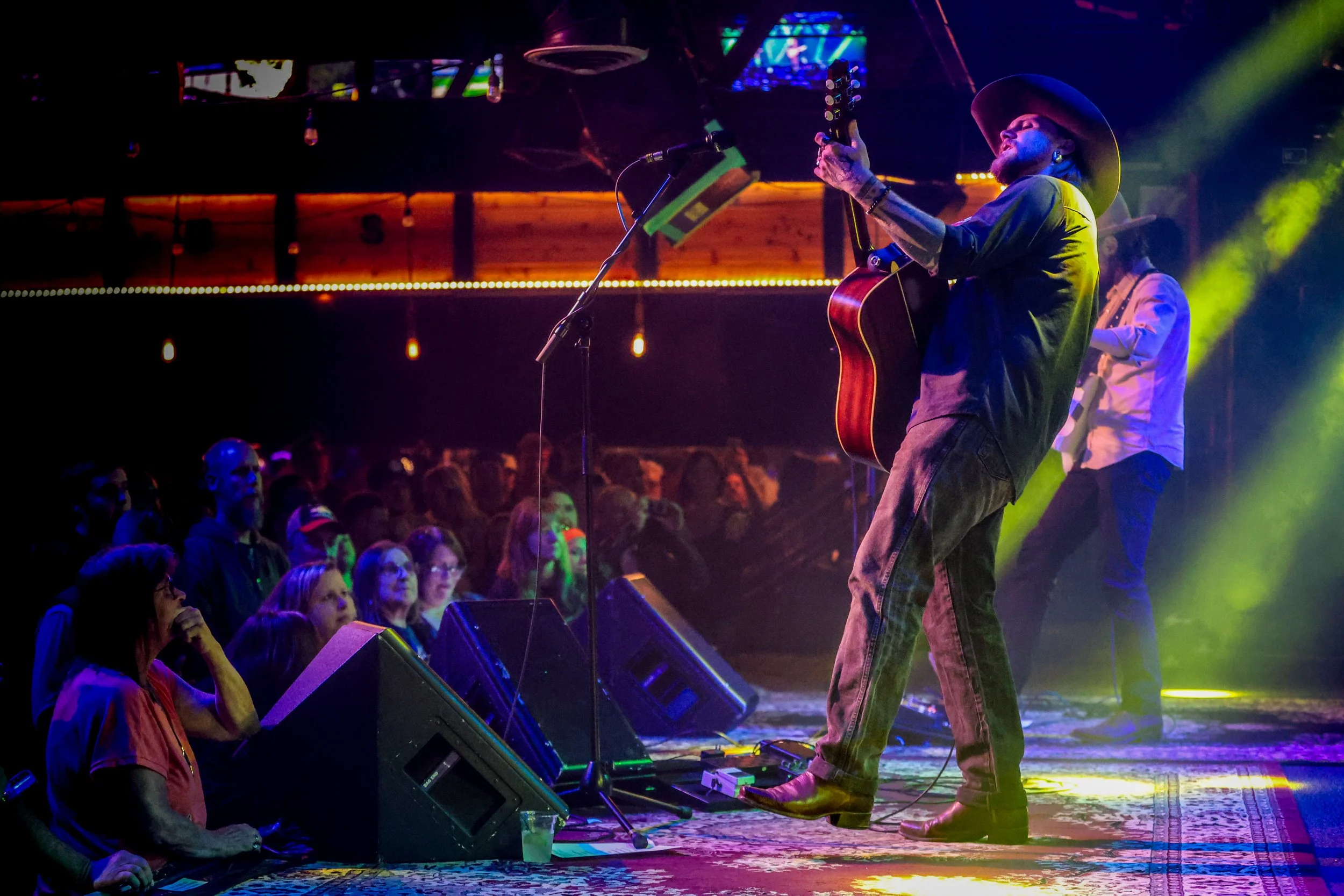
All Photos By: Summer Lee PhotoBefore the headliner took the stage, the crowd was warmed up by a local presence: Joe Pacelli of South City Revival. Representing the Chicago music scene, his set brought a grounded, rootsy energy that immediately connected with the audience. The standout moment came with their popular single, Caroline, which had the crowd singing along early in the night, setting the tone for the communal energy that would carry through the entire show.

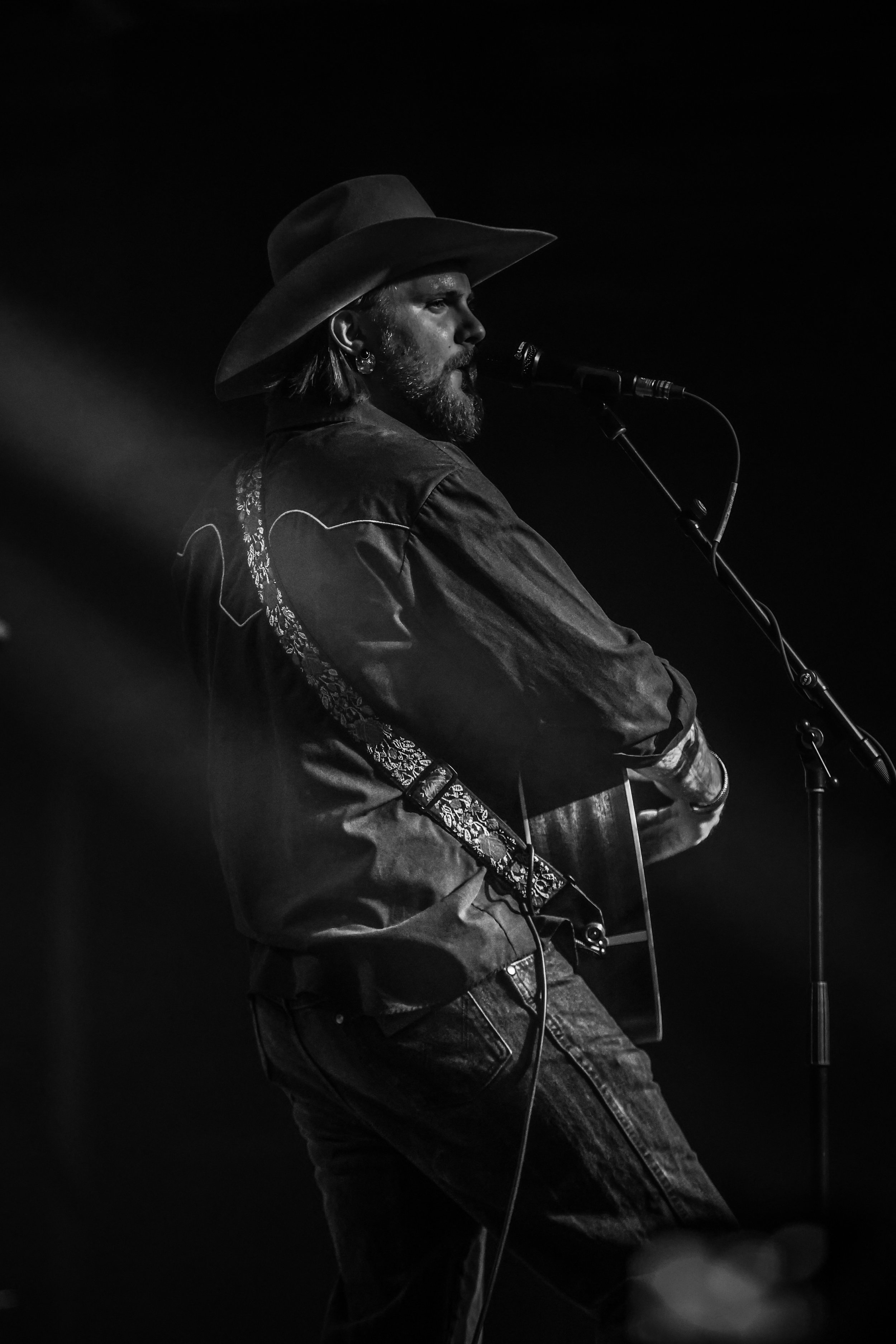
The stage itself was almost empty. No towering drum kit, no rows of guitars waiting on stands, no band members filtering into position. Just a single microphone and a wash of soft light. The absence was striking. It set the tone before a single lyric was sung: this would be a stripped-down, intimate experience, where nothing stood between the artist and the audience. When Jackson Dean stepped into that quiet space, the reaction was just as powerful, but different. Instead of explosive chaos, there was a kind of focused attention, as if the crowd instinctively understood the mood. With no full band behind him, every element became more exposed. The texture of his voice, the subtle shifts in tempo, even the pauses between lines- all of it carried more weight.
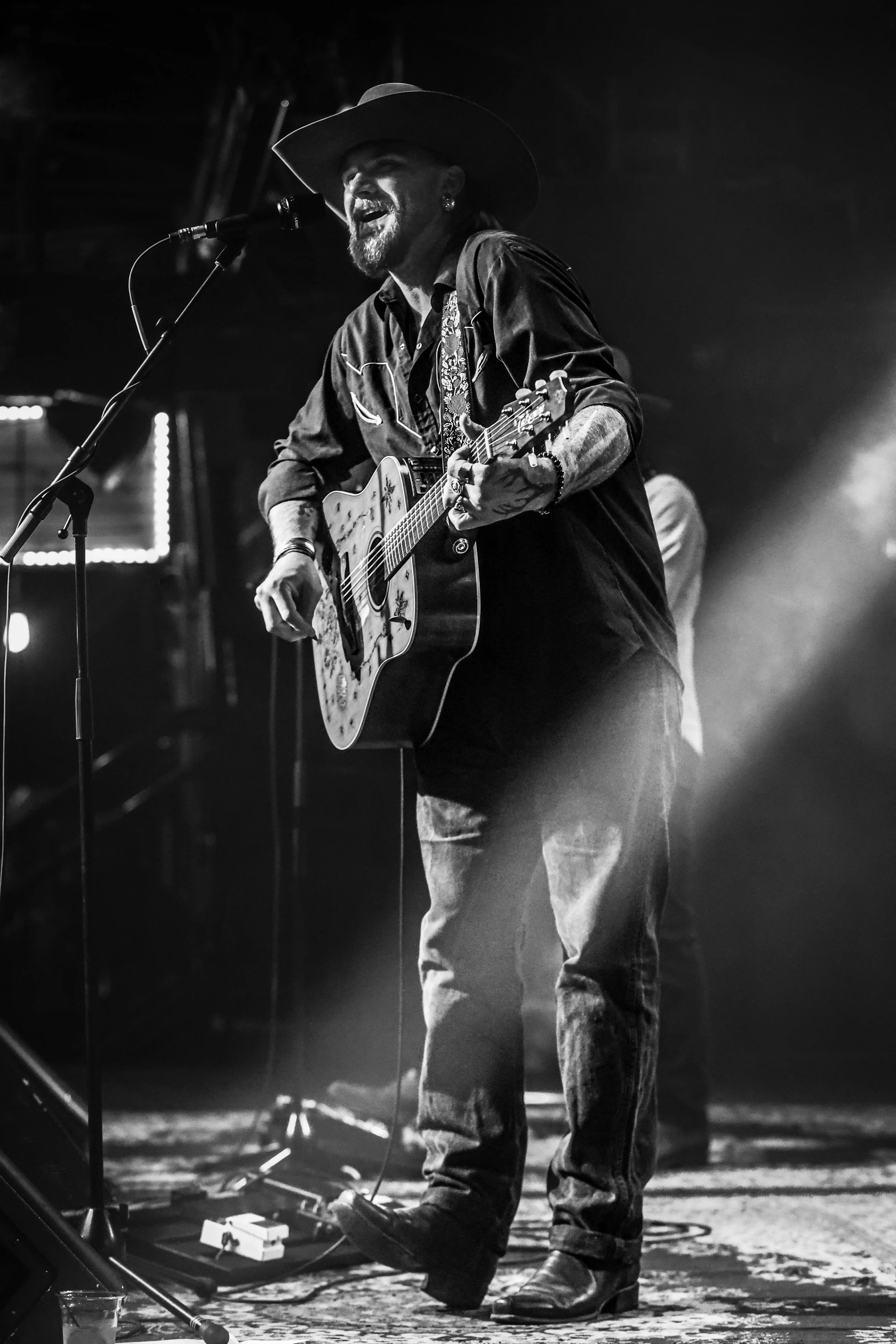
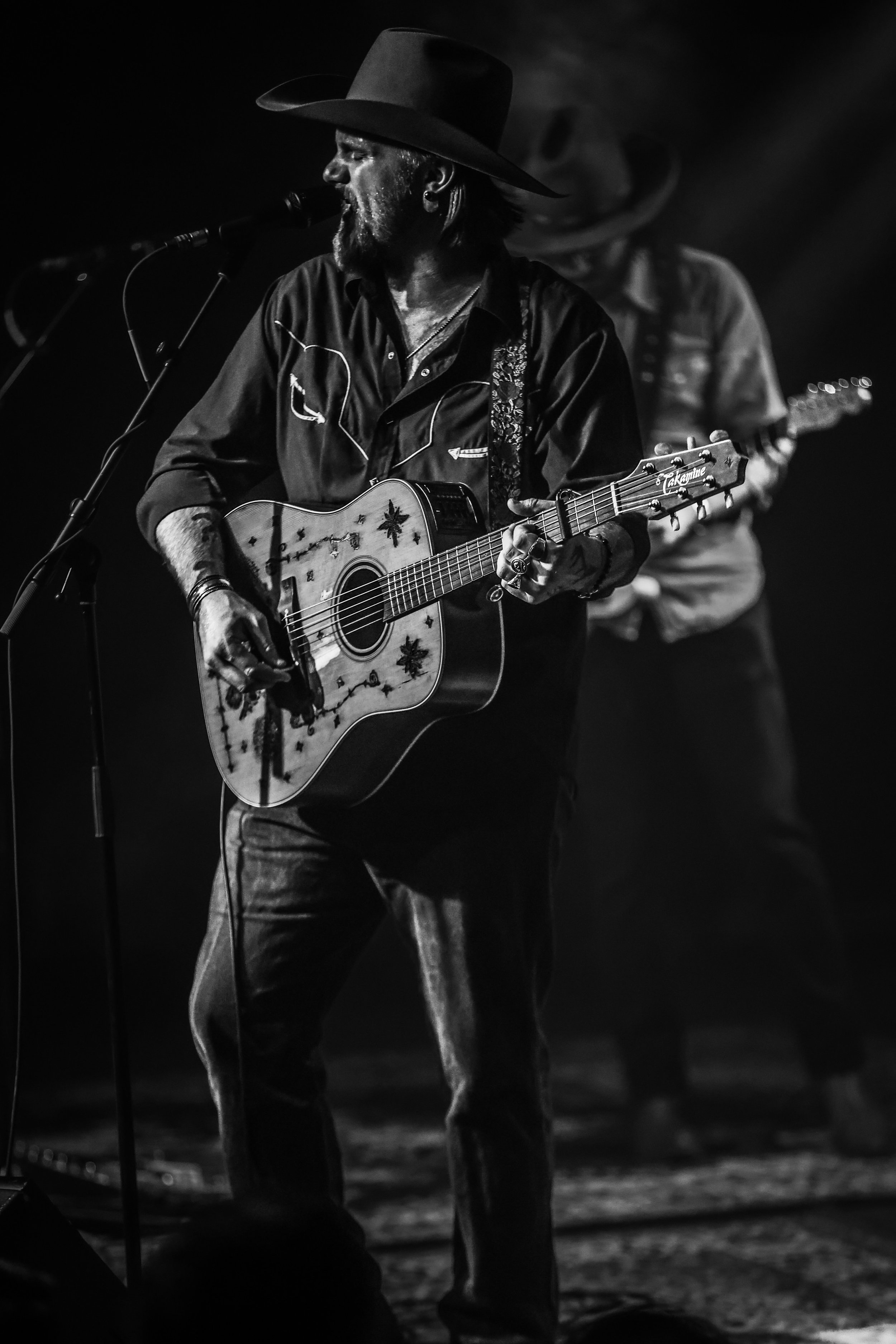
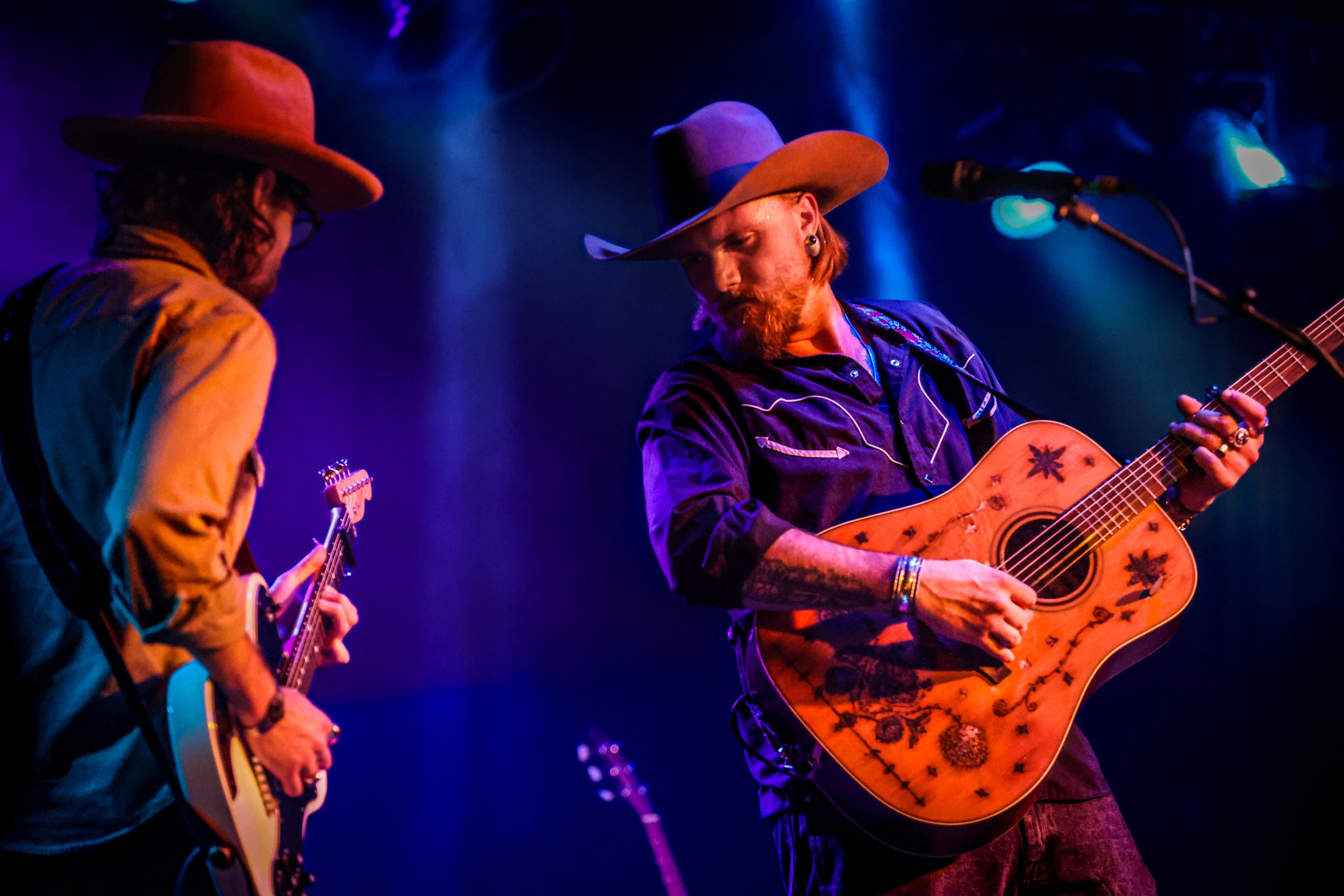
And then there was his voice itself, deep, gritty, and unmistakably soulful. It didn’t just fill the room; it moved through it. There were moments when the low end of his vocals hit with such resonance it felt physical, like it rattled through your chest and settled in your bones. In a stripped-down setting like this, there was nothing to soften or hide it. Every note carried weight, every lyric landed with a kind of raw honesty. Slung over his shoulder was one of his custom-engraved guitars, its detailed design catching the stage lights as he struck the opening chords. The sound cut clean and strong through the room, driving guitar riffs that didn’t need a backing band to feel full. Each note rang with intention, filling the space in a way that was both raw and commanding. Without layered instrumentation, the guitar became more than accompaniment- it became the backbone of the entire performance.
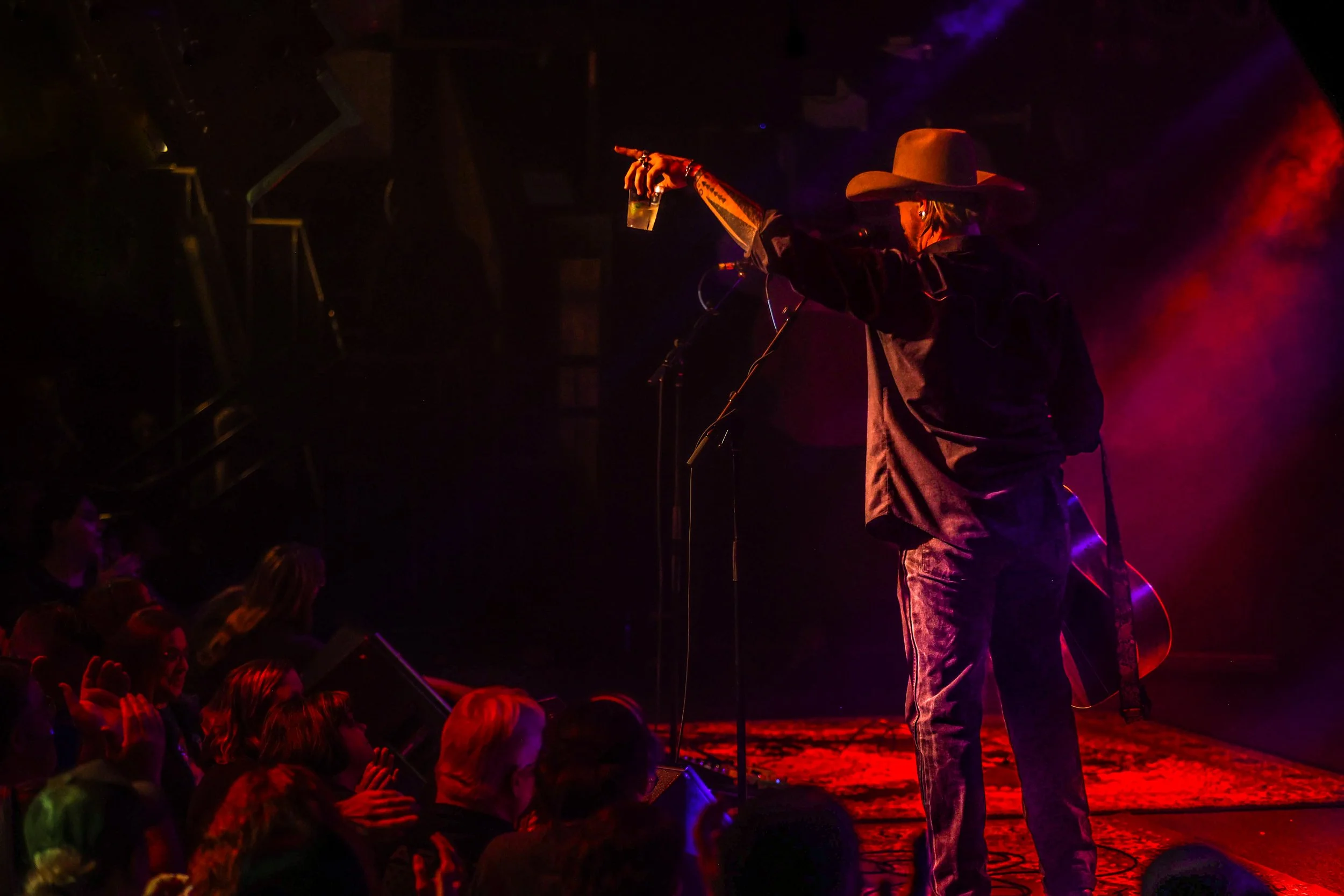
As the set unfolded, another layer of meaning began to emerge. The song choices felt deliberate, almost narrative. Early in the set, the tracks carried the restless, rough-edged energy that first defined him-the sound of a younger artist chasing freedom, leaning into grit and independence. The riffs hit harder there, the delivery more defiant, echoing a version of himself still figuring things out, still pushing against the edges. Songs such as Be Your Man and Tennessee Moon from his newly released album, Magnolia Sage, softened, not in impact, but in perspective. Themes of love, commitment, and vulnerability started to take center stage. The same voice that once carried a sense of rebellion now held warmth and steadiness. It wasn’t a reinvention so much as an evolution. The stripped-down setting made that transition impossible to miss; there was nothing to hide behind, no production to blur the lines between past and present.
That evolution was reflected clearly in the crowd’s response to certain songs. Fan favorites like Make A Liar and Wildfire sparked an immediate surge of energy, the audience singing every word with a kind of raw enthusiasm that echoed his earlier sound. And then there was Heavens to Betsy; a moment that felt especially meaningful. Long anticipated by fans, its release on his album, On The Back Of My Dreams, the song, gave the performance an added weight. When he played it, the room seemed to lean in and explode all at once, a mix of excitement, relief, and connection finally realized in a live setting. In that way, the setlist became more than a collection of songs- it became a timeline. A bridge between who Jackson Dean was and who he’s becoming. You could hear it in the contrast between the driving, almost restless guitar work of the earlier tracks and the more measured, intentional playing that followed. Even the spaces between songs felt different, as if the performance itself was breathing, growing more grounded as it moved forward.
What made the night special wasn’t just the music; it was the honesty. In the absence of a full band, the connection between performer and audience grew stronger. When the crowd joined in, their voices didn’t compete with a wall of sound; they filled the space, becoming part of the performance itself. As the night built toward its finale, the closing songs carried that newer sense of love and clarity, but still echoed with the strength of where he started. The lack of a band didn’t make the performance feel smaller- it made it sharper, more intentional. When the final song ended, the silence that followed was almost as powerful as the music itself, hanging in the air for a beat before the crowd erupted into applause.
Walking out afterward, ears ringing a little less but hearts just as full, there was a shared sense of having witnessed something rare. Not just a performance, but an artist in transition, captured in real time. Concerts don’t last forever, but nights like this linger differently. Without the noise and spectacle, what remains is the connection, the growth, and the feeling that you didn’t just hear the music- you felt it. And with Jackson Dean on tour all summer, it’s worth checking for a date near you because this is a show you truly don’t want to miss.